Price move
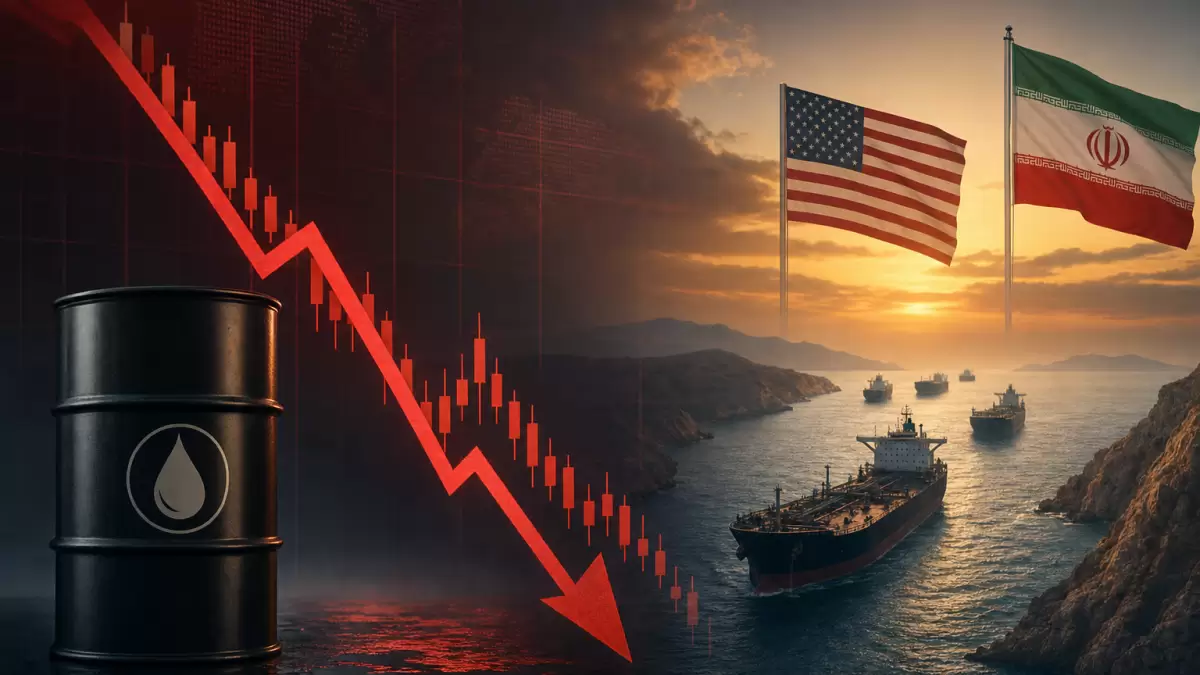
WTI crude oil extended its retreat on Wednesday, dropping below the $80 threshold to trade around $79.50 at the time of writing. The move leaves the US oil benchmark approximately 9% beneath last week’s highs above $87 and confirms a sharp reversal from those elevated levels.
The fall below $80 is the latest stage of that pullback. With prices moving further away from last week’s peak, the immediate direction for WTI remains negative despite the benchmark still trading relatively close to the round-number level.
Geopolitical focus
Hopes that the Strait of Hormuz could reopen are contributing to the decline in crude prices. Expectations of easing tensions between the United States and Iran are also supporting the reversal.
These developments matter for oil because the current price move is being linked directly to changing expectations surrounding the regional situation. The prospect of reopening Hormuz, alongside signs of possible US-Iran de-escalation, has coincided with WTI surrendering a notable portion of last week’s advance.
Market implications
For traders, attention remains centered on whether those de-escalation hopes persist. The decline from above $87 to the $79.50 area shows how quickly crude has adjusted as the geopolitical outlook has shifted.
The break below $80 adds to the immediate bearish tone in WTI, while last week’s highs provide a clear reference point for the scale of the reversal. However, the available information ties the move to hopes rather than a confirmed resolution, keeping developments around Hormuz and US-Iran relations central to the near-term oil narrative.
Until there is greater clarity, WTI is likely to remain sensitive to changes in expectations around reopening the waterway and reducing tensions. Wednesday’s extension lower underscores the importance of geopolitical headlines for the US crude benchmark.