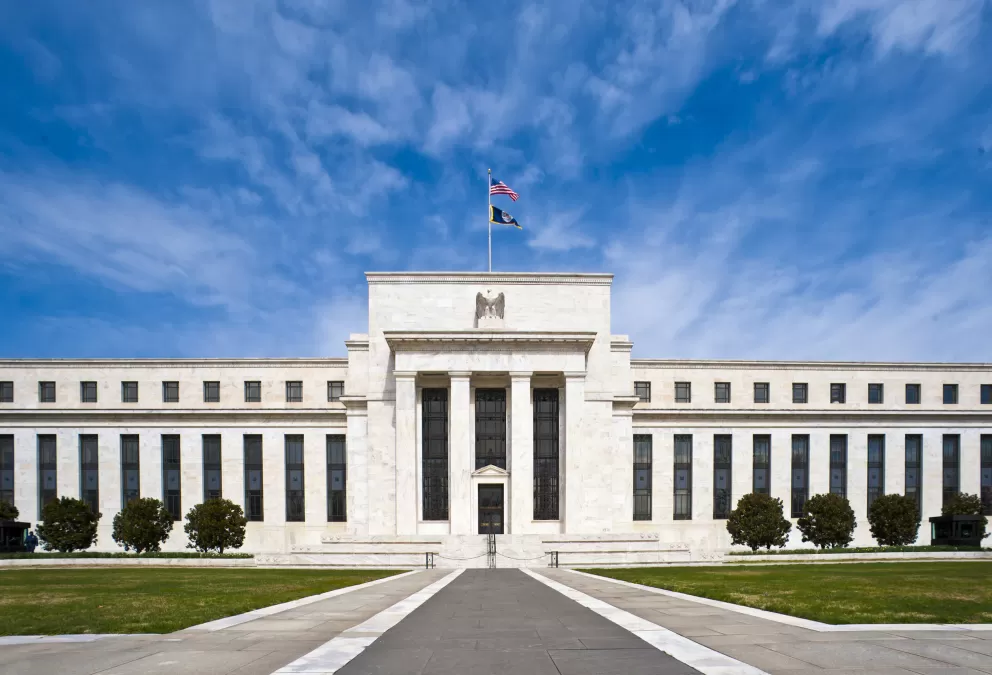
Inflation supports tighter policy
The case for December interest-rate increases is building on both sides of the Atlantic. In the United States, underlying price pressures remain persistent, supporting the possibility that the Federal Reserve will tighten policy again. European policymakers are also showing greater support for an additional increase from the European Central Bank.
The shared inflation concern leaves both institutions facing a similar policy question: whether current interest rates are sufficiently restrictive or whether further action is required. That makes upcoming policy signals important for currency markets, even if both central banks ultimately move in the same direction.
Relative outlook matters for EUR/USD
For EUR/USD, the key issue is the relative degree of tightening signalled by the Fed and ECB. Expectations for higher rates from both institutions do not provide a clear directional impulse on their own because support for the dollar from a more restrictive Fed stance could be offset by equivalent support for the euro from the ECB.
A stronger indication from the Fed that US inflation requires further rate increases would tilt the policy comparison toward the dollar. Conversely, firmer ECB support for additional tightening would strengthen the euro side of the equation. If the messages remain broadly balanced, EUR/USD may lack a decisive policy-driven direction.
Policy guidance takes priority
The immediate focus is therefore not limited to whether each central bank raises rates in December. Traders will also assess which institution communicates a greater overall need to continue tightening beyond the next decision.
With US core inflation proving stubborn and European officials increasingly inclined toward another increase, the outlook remains active for both central banks. Until a clearer difference emerges between their respective policy paths, the implications for EUR/USD are neutral rather than firmly bullish or bearish.